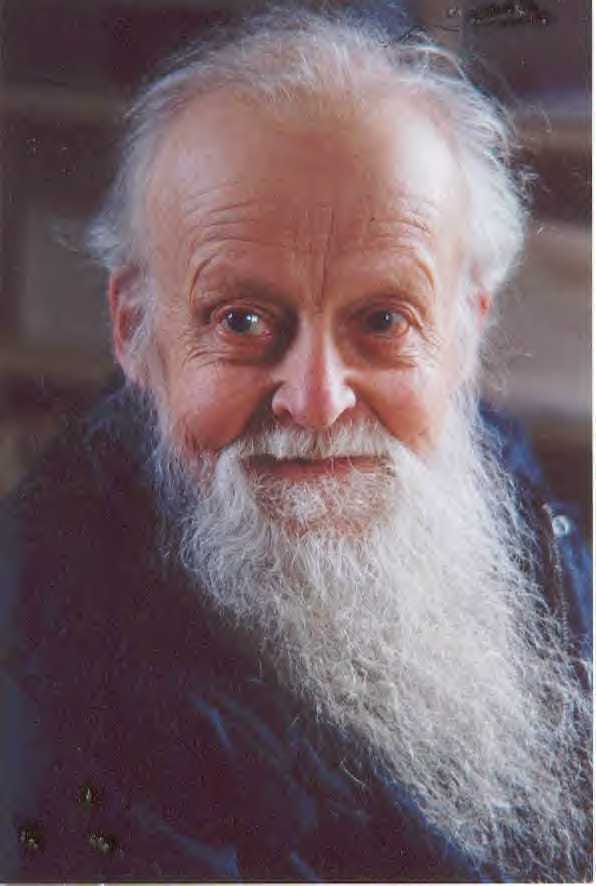
Richard Thomas Moore was one of the best contemporary poets and it was my honor to publish a number of his poems over the years, and his last essay, "A Life."
It was my honor to know Richard Moore as both his fellow poet, his publisher and his friend. I consider Richard Moore to be one of the very best contemporary poets and I was honored to publish a number of his poems, via The HyperTexts, and his last essay, “A Life,” which he amended, or more properly, appended, to end more positively after a visit from his youngest daughter and grandson toward the end of his life.

Here’s a link to “A Life” and its surprising, to those who knew Richard, appendage: "A Life"

Here's a link to Richard's poetry page, which I highly recommend, at The HyperTexts: Richard Moore Poetry

These are poems I wrote for, and after, Richard. Sometimes both.

Moore or Less
by Michael R. Burch

for Richard Moore

Less is more —
in a dress, I suppose,
and in intimate clothes
like crotchless hose.

But now Moore is less
due to death’s subtraction
and I must confess:
I hate such redaction!

***

Kin
by Michael R. Burch

for Richard Moore

1.
Shrill gull,
how like my thoughts
you, struggling, rise
to distant bliss—
the weightless blue of skies
that are not blue
in any atmosphere,
but closest here ...

2.
You seek an air
so clear,
so rarified
the effort leaves you famished;
earthly tides
soon call you back—
one long, descending glide ...

3.
Disgruntledly you grope dirt shores for orts
you pull like mucous ropes
from shells’ bright forts ...

You eye the teeming world
with nervous darts—
this way and that ...

Contentious, shrewd, you scan—
the sky, in hope,
the earth, distrusting man.

***

Woeful Waffles
by Michael R. Burch

for and after Richard Moore

I think it’s woeful
and should be unlawful
to eat those awful
tofu
waffles!

***

The Whole of Wit
by Michael R. Burch

for and after Richard Moore

If brevity is the soul of wit
then brevity and levity
are the whole of it.

***

A Further Farewell to Dentistry
by Michael R. Burch

for and after Richard Moore, from whom I absconded the title, after being initially inspired by a Facebook exchange between Sam Gwynn and Alicia Stallings

Lately I’ve been eschewing
ice chewing
and my indentured dentist’s been boo-hooing.

***

Less Heroic Couplets: Bed Head
by Michael R. Burch

for and after Richard Moore

1.
“Early to bed, early to rise”
makes a man wish some men weren’t so wise
(or at least had the decency to tell pleasing lies).

2.
“Early to bed, early to rise”
makes a man wish
wise old Ben told sweet lies.

***

Less Heroic Couplets: Sex Hex
by Michael R. Burch

for and after Richard Moore

Love’s full of cute paradoxes
(and highly acute poxes).

***

Nun Fun Undone
by Michael R. Burch

for and after Richard Moore

Abbesses’
recesses
are not for excesses!

***

Hymn to an Art-o-matic Laundromat
by Michael R. Burch

after Richard Moore’s “Hymn to an Automatic Washer”

O, terrible-immaculate
ALL-cleansing godly Laundromat,
where cleanliness is next to Art
—a bright Kinkade (bought at K-Mart),
a Persian rug (made in Taiwan),
a Royal Bonn Clock (time zone Guam)—
embrace my ass in cushioned vinyl,
erase all marks: anal, vaginal,
penile, inkspot, red wine, dirt.
O, sterilize her skirt, my shirt,
my skidmarked briefs, her padded bra;
suds-away in your white maw
all filth, the day’s accumulation.
Make us pure by INUNDATION.

***

Less Heroic Couplets: Weird Beard
by Michael R. Burch

for and after Richard Thomas Moore

C’mon, admit — love’s truly weird:
why does a vagina need a beard?

Should making love produce foul poxes?
What can we make of such paradoxes?

And having made love, what the hell’s the point
of ending up with a sore, limp joint?

Who invented love, which we all pursue
like rats in a maze after sniffing glue?
Thanks for publishing these memories of Richard Moore, and especially his essay and addendum. He was a fine poet and an engaging wit. And poetry and wit were the foundation of his philosophy.


Thanks for publishing these memories of Richard Moore, and especially his essay and addendum. He was a fine poet and an engaging wit. And poetry and wit were the foundation of his philosophy.
Richard Wakefield